

Balance rarely gets a second thought — until a stumble on an uneven footpath or a wobble getting out of the shower brings it sharply into focus. For older adults, that split-second loss of stability is more than an inconvenience. Falls are among the leading causes of injury-related hospitalisation in people over 65, and roughly one in three adults aged 65 and over falls at least once a year, with half of those falling repeatedly [1]. The great news is that balance is trainable at any age, and a well-designed exercise program can make a measurable difference.
Why balance declines with age
Balance depends on three systems working together: vision, the inner ear (vestibular system), and sensation in the feet and joints (proprioception). With age, these systems naturally become less responsive, and this is often compounded by reduced muscle strength, slower reaction times, and medical conditions or medications that affect coordination. The result is a smaller margin for error when the body is challenged — stepping off a kerb, turning quickly, or reacting to a slip.
What the research shows
This is where targeted exercise has been shown to make a genuine difference. A recent systematic review in 2025 showed that structured balance and strength programs consistently reduced falls in older adults from 20–58% [2]. Programs that include practising how to recover from an unexpected slip or trip (perturbation-based training) showed even larger reductions in laboratory-simulated falls.
Broader reviews echo these findings, showing that balance exercise improves static, dynamic, and reactive stability, lower-limb strength, and mobility, while also reducing injurious falls and related emergency presentations [1]. These benefits aren’t limited to people who have already fallen, they apply just as strongly to active older adults wanting to stay that way.
Is it ever too early, or too late to start?
The evidence points to a clear answer, earlier is better, but later is still worthwhile. Age-related declines in balance and muscle strength are often already detectable from around age 50, becoming more pronounced through the 60s and 70s rather than progressing at a steady, predictable pace [3]. This means the longer training is delayed, the more ground there is to make up, and the harder that ground becomes to recover.
That said, it’s genuinely never too late to start. One study found that after 16 weeks of guided exercise, many older adults who were becoming weaker or less steady improved their strength, confidence and independence. Almost half improved enough to move into a healthier category. This shows it is never too late to benefit from the right exercise program [4]. Long-term training has also been shown to help maintain strength and mobility even in adults already in their late 70s and 80s [5]. In short: the earlier someone starts, the more function they protect but starting later still delivers real and meaningful gains.

What this looks like in practice
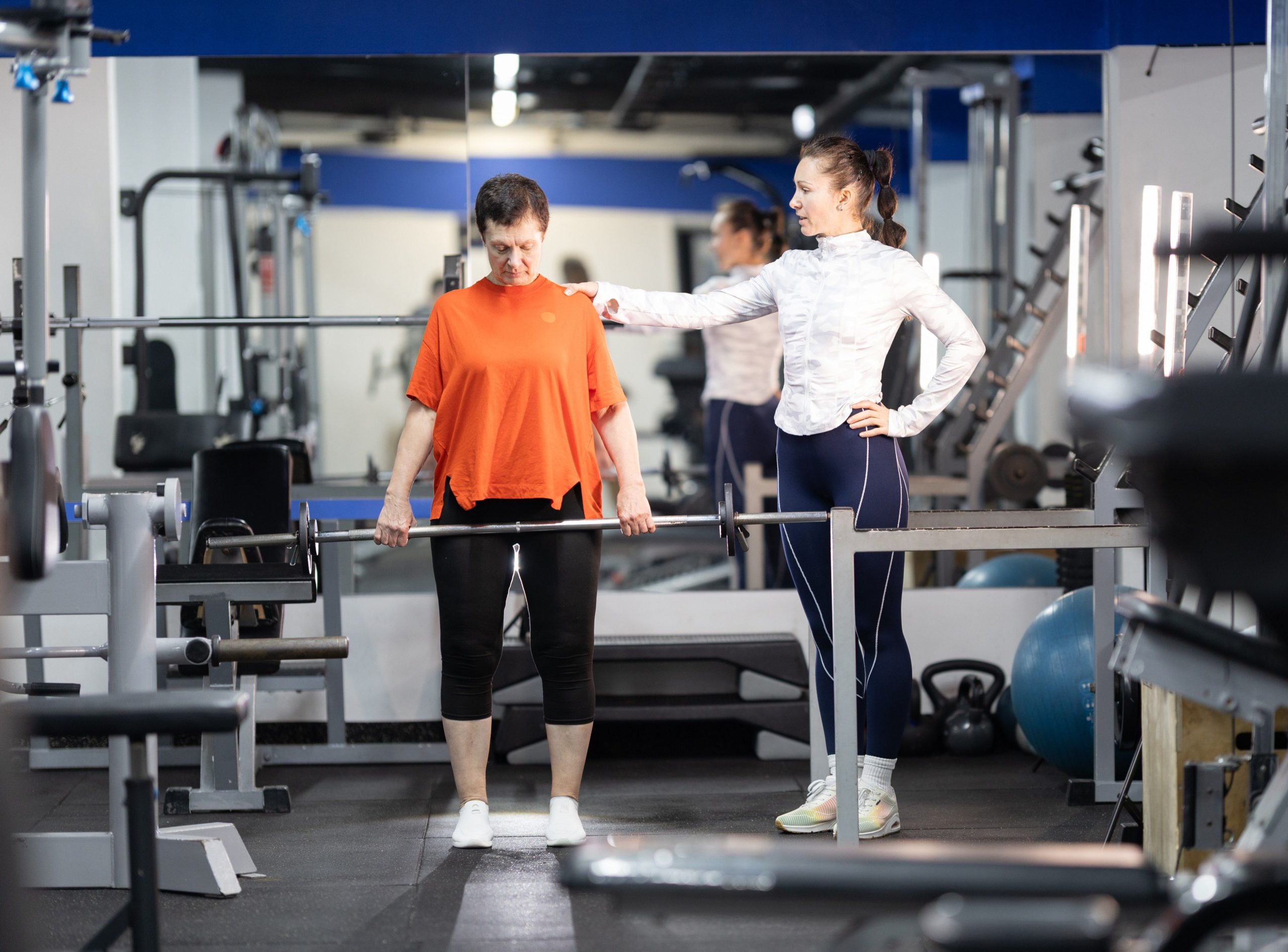
Effective balance training is progressive and varied. It might include single-leg stance work, tandem walking, stepping and weight-shifting drills, Tai Chi-based movement, and controlled challenges to a person’s stability under supervision. The key is gradual progression, consistency, and exercises tailored to individual strength, mobility, and fall-risk factors. This is exactly where a physiotherapist or exercise physiologist adds value, both in assessment and in program design.
The takeaway
Balance isn’t something to simply accept as declining with age, it’s a physical capacity that responds to training, much like strength or cardiovascular fitness. Investing a little time each week can support independence, confidence in daily movement, and a genuinely active lifestyle for years to come.
Ready to take the first step?
Our physiotherapy and exercise physiology team can assess your balance and falls risk, and build a program suited to your goals and lifestyle. Get in touch with your local clinic to book an assessment today.
This article is general health information, not a substitute for individualised clinical advice. Please consult a qualified physiotherapist or exercise physiologist for guidance specific to your circumstances.
References
- Sadaqa M, Németh Z, Makai A, Prémusz V, Hock M. Effectiveness of exercise interventions on fall prevention in ambulatory community-dwelling older adults: a systematic review with narrative synthesis. Front Public Health. 2023;11:1209319.
- Choudhary PK, Choudhary S, Saha S, Katanić B, İlbak İ, Tornóczky GJ. Effectiveness of balance- and strength-based exercise interventions for fall prevention in community-dwelling older adults: a systematic review of randomized controlled trials. Life (Basel). 2025;16(1):41.
- Bergquist R, Weber M, Schwenk M, Ulseth S, Helbostad JL, Vereijken B, Taraldsen K. Performance-based clinical tests of balance and muscle strength used in young seniors: a systematic literature review. BMC Geriatr. 2019;19:9.
- Mulasso A, Roppolo M, Rainoldi A, Rabaglietti E. Effects of a multicomponent exercise program on prevalence and severity of the frailty syndrome in a sample of Italian community-dwelling older adults. Healthcare (Basel). 2022;10(5):911.
- Aartolahti E, Lönnroos E, Hartikainen S, Häkkinen A. Long-term strength and balance training in prevention of decline in muscle strength and mobility in older adults. Aging Clin Exp Res. 2020;32(1):59-66.
 (American College of Sports Medicine, 2021).