In today’s fast-paced world, where the demands of daily life can sometimes feel overwhelming, maintaining optimal brain health is paramount. While we often focus on physical fitness for its strength and cardiovascular benefits, the cognitive advantages of exercise are equally noteworthy and deserving of attention.

Read more

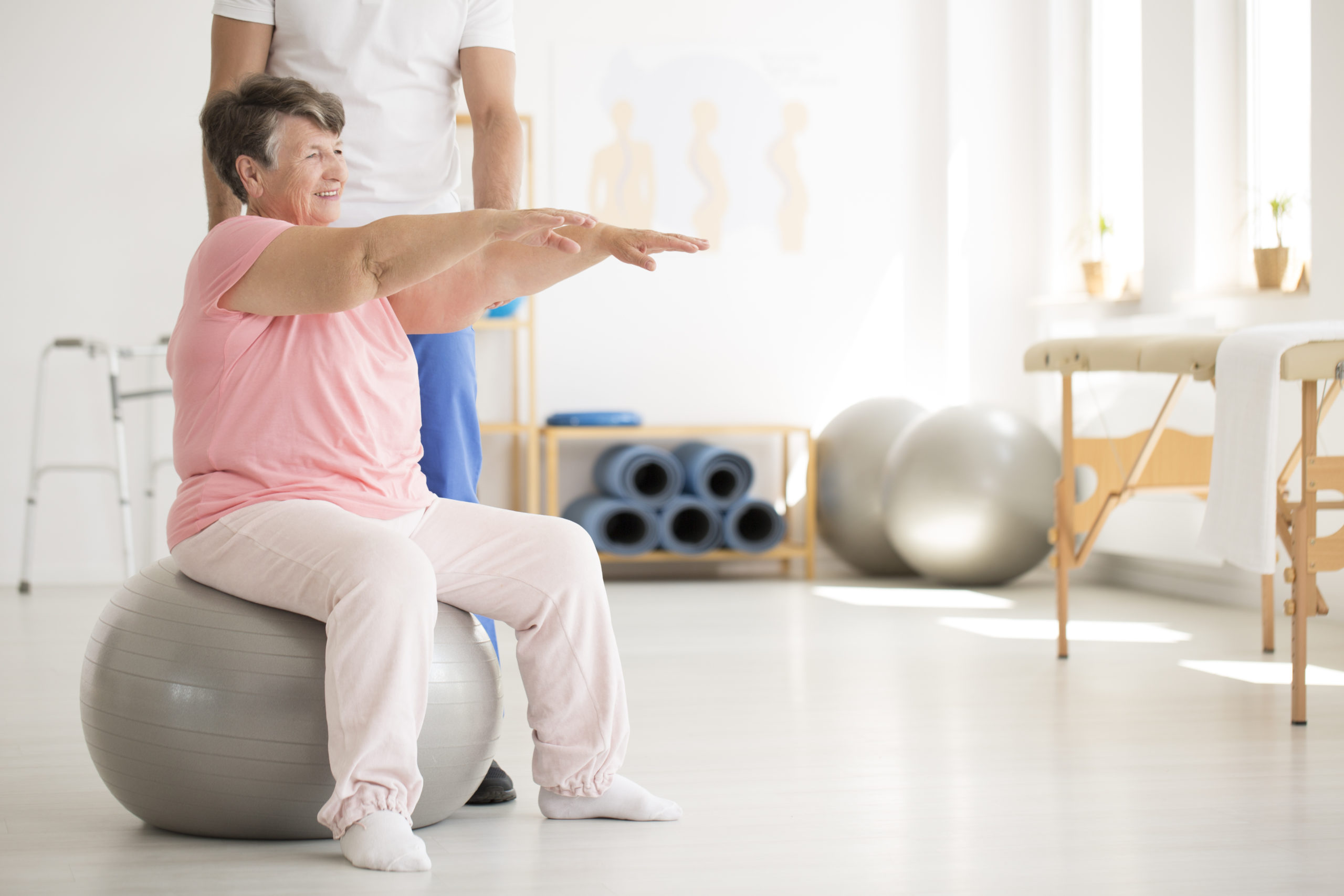
As the new season approaches, athletes and fitness enthusiasts alike are gearing up to unleash their full potential on the field or in the gym. Regardless of your current fitness level, incorporating a well-rounded strength and conditioning program before the season starts can make a significant difference in your performance. In this blog post, we’ll explore the importance of strength and conditioning for individuals at all levels of fitness and provide actionable tips to help you prepare for the challenges ahead.

Read more

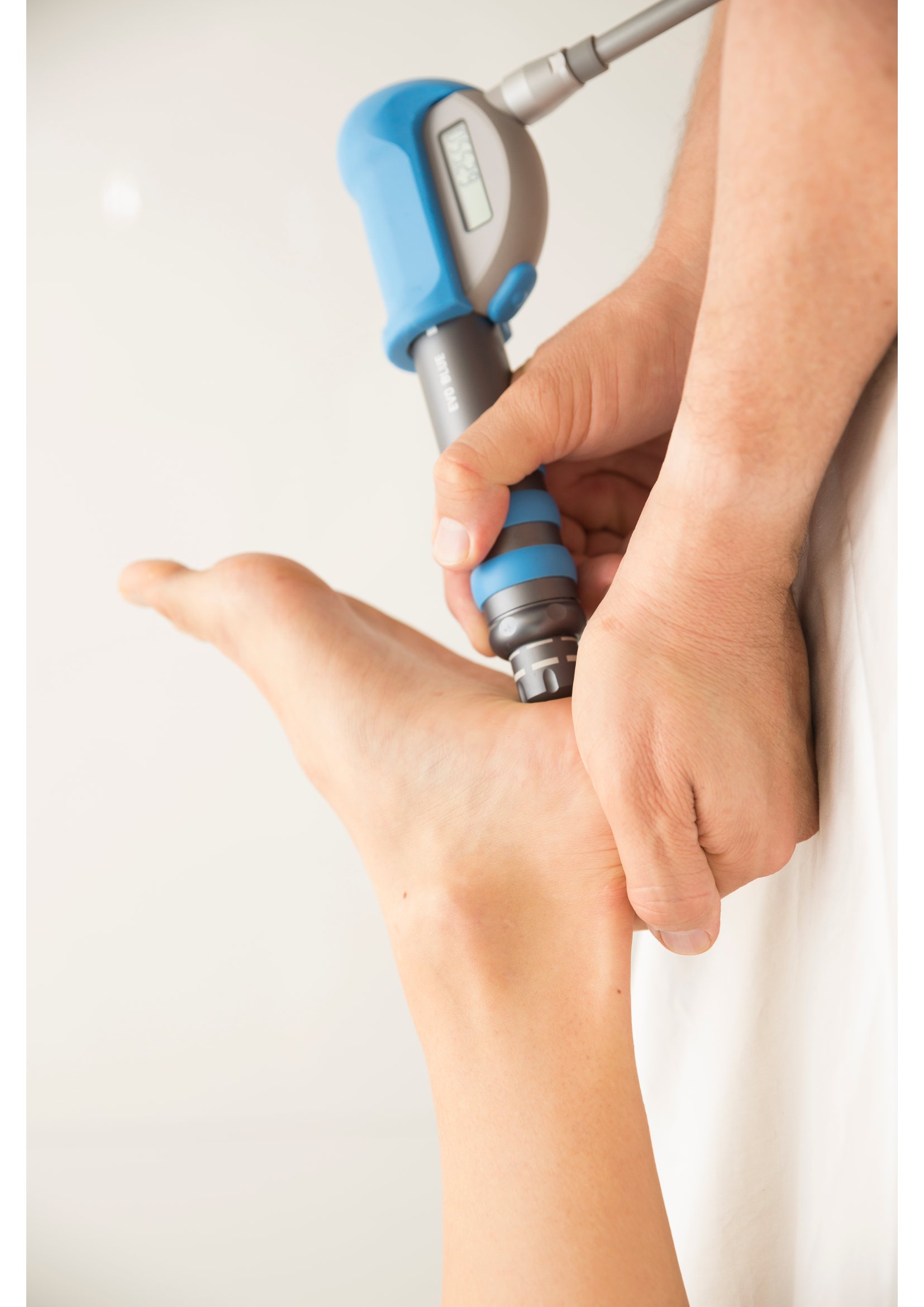
Shockwave is not a new treatment modality; it has been around since the 1980s where it was initially used to treat kidney stones. Its use in lower limb injuries, is more recent (since the 1990s) where there are several conditions where it has been used effectively and, in some instances, is a legitimate alternative to injections and even surgery.1 A shockwave is a form of an acoustic wave that carries energy and can propagate through tissues causing a biological response.  

When referring to this treatment modality, shockwave is more of an abbreviation with the correct term being extracorporeal shockwave therapy. There are a few different types of shockwave therapy that can be used to treat musculoskeletal conditions. The most common for lower limb injuries is extracorporeal radial shockwave therapy; less common is extracorporeal focused shockwave therapy.  

Read more

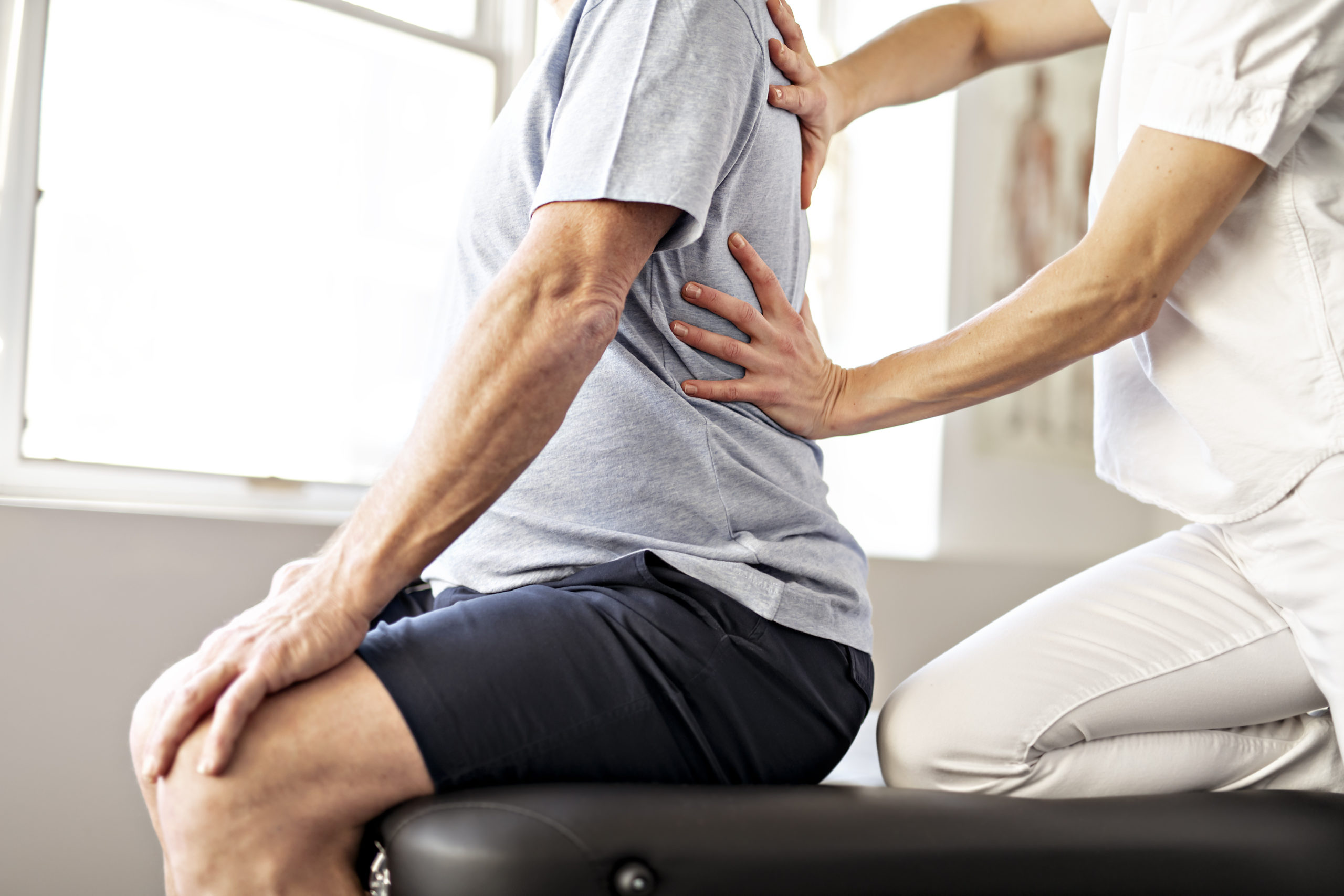
One in five Australians now lives with persistent pain. Persistent pain (or chronic pain) can be defined as pain that persists beyond 3-months. In some instances, the pain may be a result of a specific injury such as a fracture or a sprain, but the pain will persist beyond normal healing time (i.e., 6-8 weeks). However, in many other instances, pain may be present without a specific injury occurring. For example, pain may arise at a time of stress, fatigue or lack of sleep. Persistent pain can have a profound impact on an individual’s life, affecting physical, emotional and social well-being. 

Very similar to our general health, the health of the structures in our bodies is maintained through:

  • regular movement
  • keeping strong
  • exercising regularly
  • maintaining a healthy body weight
  • caring for our mental health
  • regularly sleeping well
  • remaining social, and 
  • not smoking or drinking too much alcohol. 

Read more

Did you know there are hundreds of different types of headaches? Ever heard of medication overuse headache, primary cough headache or cold stimulus headache? These headaches aren’t very common, so perhaps these terms are new to you. However, you probably have heard of the three most common types of headaches: Read more

Osteoarthritis (OA) and rheumatoid arthritis (RA) are two of the most common forms of arthritis, affecting millions of people worldwide. Although they share similar symptoms, they are distinct conditions with different underlying causes and treatment approaches. In this blog post, we will discuss the key differences between OA and RA and explain how a physiotherapist can help manage the symptoms of both conditions.

What is osteoarthritis (OA)?
Osteoarthritis affects the entire joint, particularly the articular cartilage that covers the ends of the bones. The cartilage changes over time due to factors such as genetics, age-related changes, and mechanical stress on the joint. The capacity of the cartilage to tolerate normal loads may change, resulting in joint discomfort and stiffness. This condition typically affects weight-bearing joints like the hips, knees, and spine. Over time, the cartilage providing a smooth surface for the joint to glide on thins and becomes less resilient. Consequently, the joint may not function as smoothly, resulting in discomfort and limited mobility. Read more