
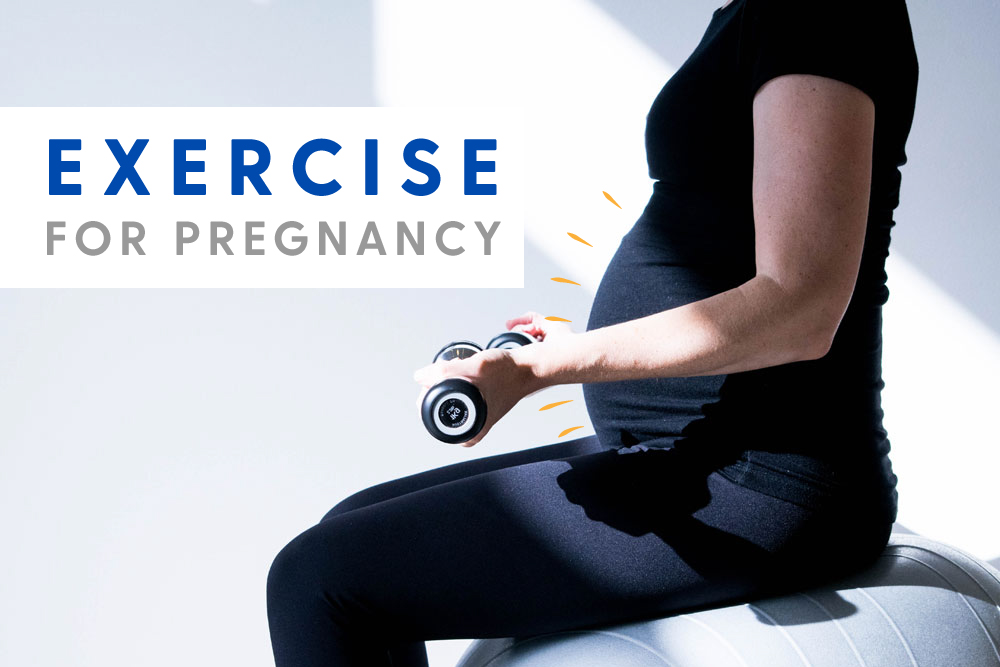
Exercise during pregnancy
Regular physical activity during pregnancy can offer a wide range of benefits for women who have been previously active as well as for those who have led a sedentary lifestyle.
Prior to commencing an exercise program, speak with your general practitioner, midwife or obstetrician to make sure that you do not have any health concerns which would prevent you from participating in a regular exercise program during your pregnancy. Read more
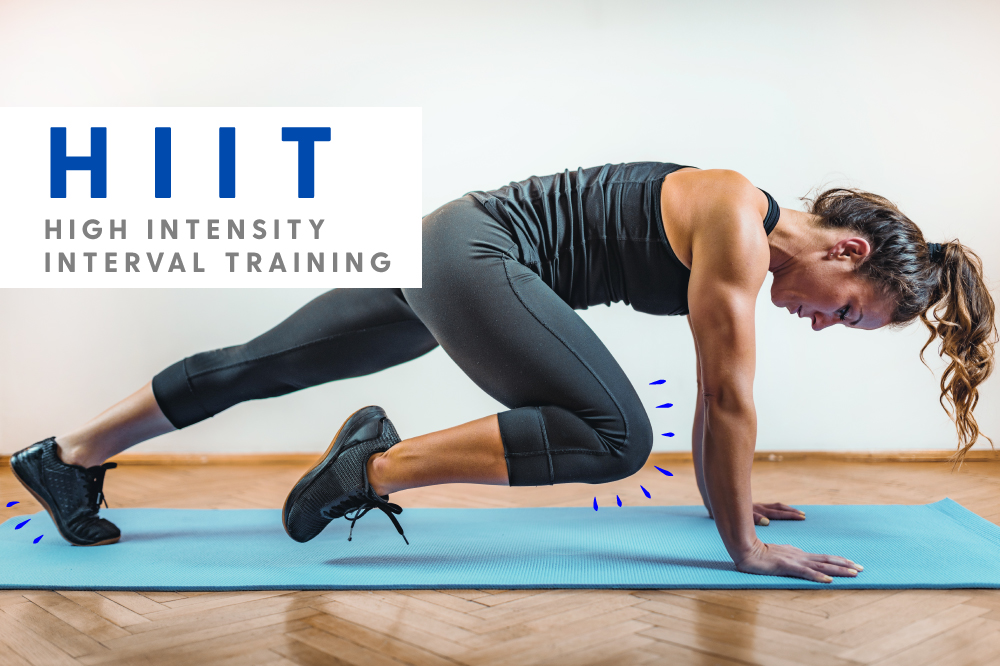
 Don’t have time to exercise? Welcome to HIIT!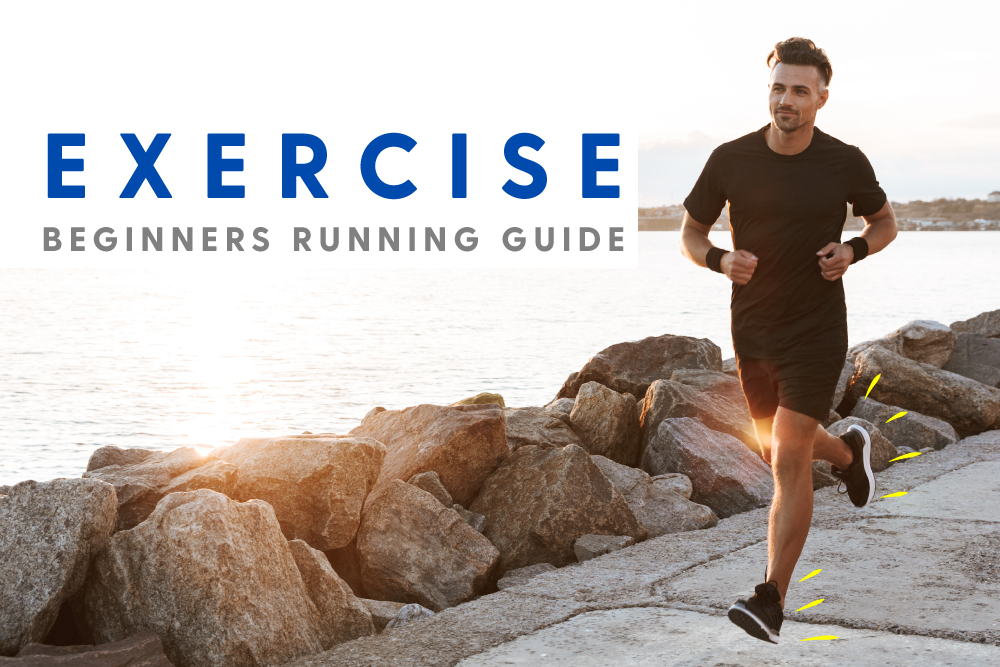
 A Beginner’s Guide to Running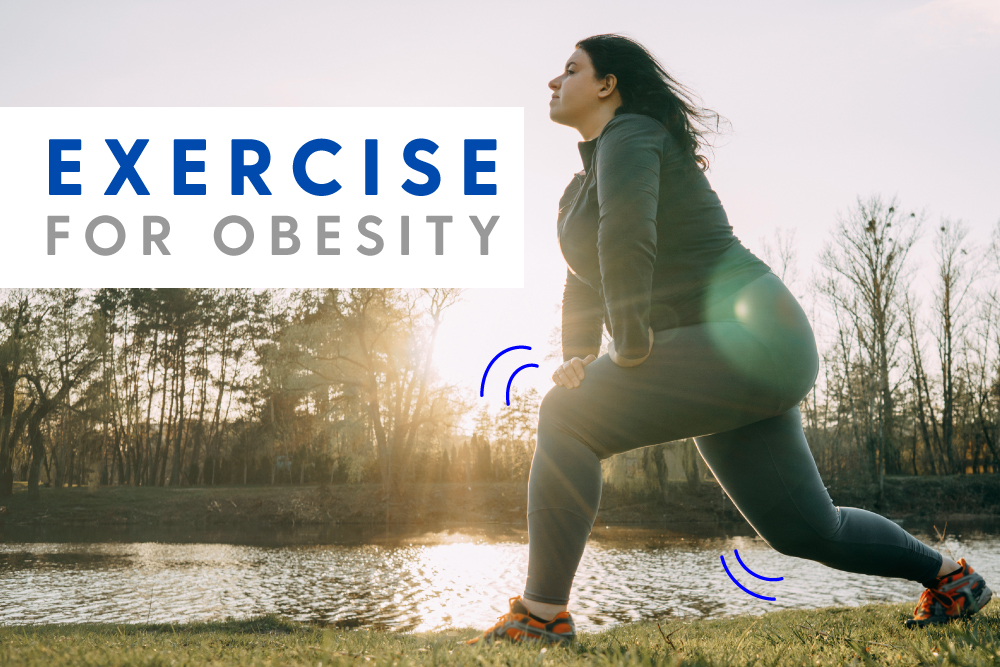
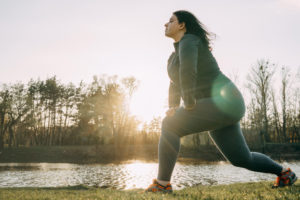 Obesity has become the most visible, yet most ignored public health concern globally. It is the second leading contributor to countless preventable illnesses. On its own, obesity is a debilitating chronic disease with an estimated decrease in life expectancy of 8.3 years for men and 6.1 years for women. Obesity is the fifth leading cause of deaths worldwide.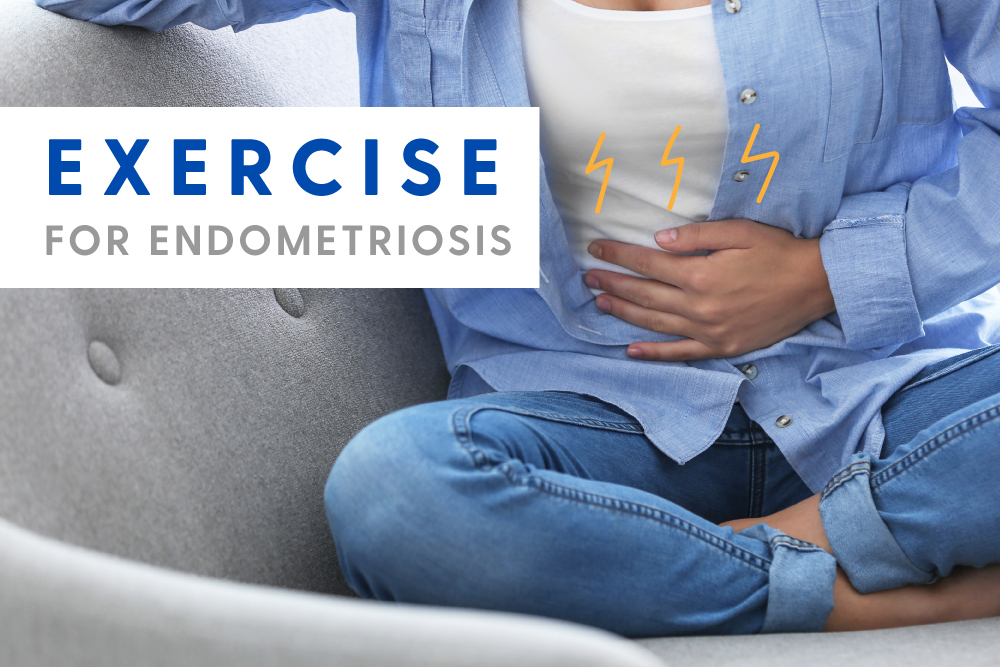
 Endometriosis, sometimes better known as ‘Endo’, is a chronic condition estimated to affect more than 700,000 Australian females. However, it is frequently under-recognised largely due to the vast array of symptoms an individual may experience. Due to this, and other contributing factors, the National Action Plan for Endometriosis from 2018, estimates that an accurate diagnosis takes on average between seven and twelve years.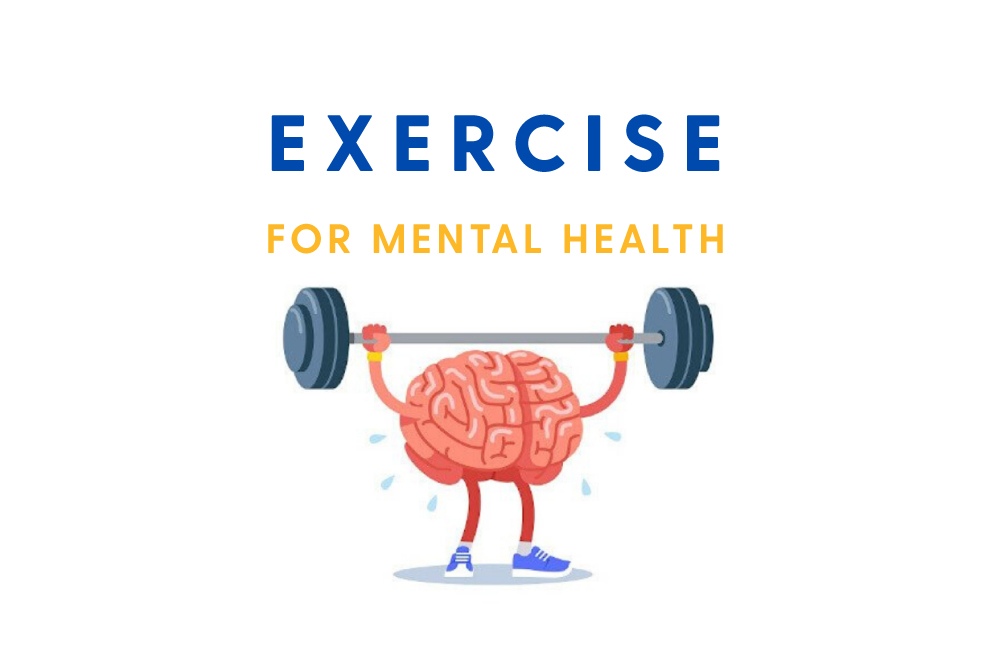
 Studies suggest that 1 in 5 Australians experience a mental health disorder and given the potential impact of COVID-19, exercising for your mental health has never been more important.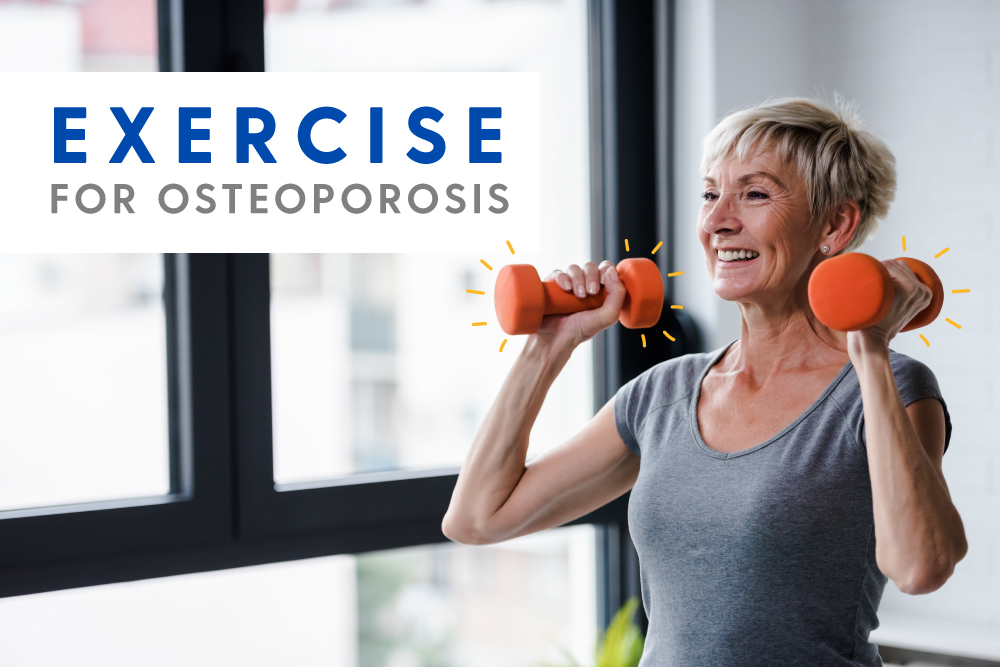
 Osteoporosis is a chronic disease where the density and quality of our bones slowly decreases, resulting is decreased bone strength. As the disease progresses and the bones become weaker, there is a greater risk of fracture. Surprisingly, many people do not even know they have osteoporosis until they experience a fracture which is why osteoporosis is often considered a silent disease.